When it pertains to the integrity of your home, your roof is undoubtedly one of its most essential components. But, like all things in life, roofs have a lifespan, and there may come a time when you're confronted with the dilemma: Should You Fix or Change? Factors to Think About for Your Roof This post will assist you through the necessary considerations that will help you make a notified choice on whether to fix or change your roof.
Understanding Roofing system Lifespan
What is the Average Life-span of Different Roof Materials?
Each type of roofing product has distinct characteristics and lifespans. Here's a quick introduction:
- Asphalt Shingles: Generally last 15-30 years. Metal Roof: Can last 40-70 years depending upon maintenance. Wood Shingles: Usually last about 20-25 years. Tile Roof: Frequently lasts 50 years or more.
Understanding these lifespans helps set expectations when evaluating your existing roof condition.
How Weather Affect Your Roofing system's Longevity
Extreme weather can drastically impact the life expectancy of your roofing system. For example, heavy snow can add weight to your roofing, while strong winds can lift shingles. Regular direct exposure to rain can cause leakages and mold growth. It's essential to routinely check your roofing system after severe weather changes.
Signs You Need Roofing Repairs
Recognizing Visible Damage
If you notice missing out on shingles, fractures, or leaks in your attic, it may be time for repair work. Ignoring these signs could result in larger issues that need a full replacement down the line.

Interior Water Damage: A Red Flag
Water stains on ceilings or walls typically show roof leakages. If you identify such damage, it's important to investigate further-- this might warrant instant repairs.
Signs You May Need a Roof Replacement
Age Matters: When Is It Time?
If your roofing is nearing the end of its expected life expectancy (15-30 years for asphalt shingles), think about a replacement rather of simply restoring problems.
Curling or Buckling Shingles
Shingles should lie flat versus the roofing system; if they are curling or buckling, this suggests they have actually lost their efficiency and may need replacing.
Cost Considerations: Repair work vs. Replacement
Understanding Repair Costs
On average, minor repairs can cost anywhere from $200-$1,500 depending upon severity and labor costs involved.
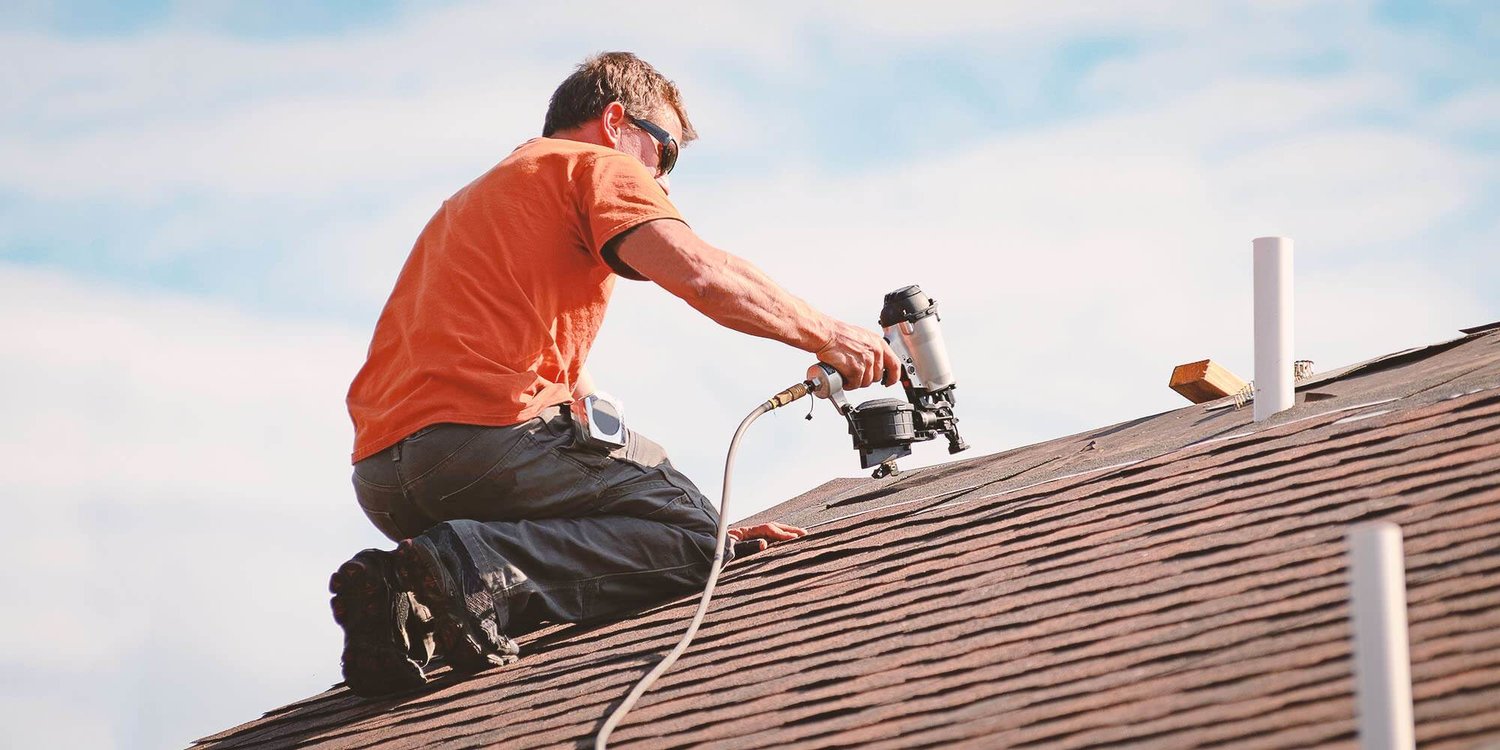
Weighing Up Replacement Costs
Roof replacement costs differ widely based upon products utilized. Metal roof may cost in between $5-$12 per square foot set up versus asphalt shingles which could vary from $3-$6 per square foot.
The Role of Roof Contractors
Finding Qualified Professionals for Repairs
When selecting repair work, working with skilled roofer is crucial. Try to find regional professionals with good reviews and confirmed credentials.
When Is It Time to Speak With Professionals for Replacement?
If you choose that replacement is needed, seek advice from numerous contractors for estimates. Compare their services and service warranties before making a final choice.
Types of Roofing Products Available
Exploring Alternatives: Asphalt vs. Metal Roofing
When thinking about replacements, asphalt shingles are popular due to price but don't last as long as metal roof which uses resilience and energy performance benefits over time.
Eco-Friendly Choices: Green Roof Options
If sustainability matters to you, think about choices like solar panels incorporated into roof or living roofings covered with greenery that can offer exceptional insulation.
Energy Efficiency in Roofing
How Does Your Roofing Affect Energy Bills?
A well-insulated roofing system plays a significant role in regulating indoor temperature levels; http://angeloohxt399.wpsuo.com/the-advantages-of-choosing-energy-saving-metal-roof-options thus affecting heating and cooling costs directly. An attic properly aerated contributes significantly towards energy effectiveness as well.
Insulation Strategies That Complement Roofs
Additional insulation strategies include setting up radiant barriers under roofing systems which show heat far from living spaces during warmer months while keeping heat during colder months.
DIY Repairs vs Professional Help
Pros and Cons of DIY Repairs
While some property owners enjoy DIY tasks saving money upfront by handling little repair work themselves; errors made without correct understanding might result in more comprehensive damage needing professional intervention later on down the line!
When Not To Try DIY Repairs
For complex concerns like structural damage or substantial leakages near important locations such as chimneys-- always look for professional help!
Benefits of Regular Maintenance
Preventative Procedures You Can Take
Regular evaluations every couple of months in addition to cleansing gutters guarantees debris does not build up leading towards prospective leaks down road!
Scheduling Professional Inspections
Consider scheduling specialists as soon as every three years for comprehensive assessments which assist capture problems before they intensify into larger headaches!
Navigating Insurance coverage Claims
Understanding Your Homeowners Insurance Policy
Before making any choices regarding repair work or replacements; familiarize yourself with what protection options exist under house owner's insurance policies!
Filing Claims Successfully
Document damages thoroughly using photos taken prior/after occurrences occur making sure clarity during claim procedures allowing smoother interactions with adjusters involved!
Frequently Asked Concerns (Frequently asked questions)
1. How do I understand if my roofing requires repair work or replacement?
Look out for visible signs like curled shingles and water spots inside your home suggesting possible leakage; age also elements greatly into lifespan considerations!
2. Can I carry out momentary repair work myself?
Yes! For small issues like replacing missing shingles-- check online tutorials initially-- but never think twice seeking professional help if unsure about safety measures involved!
3. Will my insurance coverage cover a full roofing replacement?
Protection mostly depends on policy specifics; always verify information in advance particularly after severe weather condition events prompting possible claims!
4. How frequently ought to I have my roofing inspected?

5. Are metal roofings worth the investment?
Definitely! Their longevity combined with energy performance advantages makes them an attractive choice regardless of greater upfront expenses compared versus conventional products available today!
6. What need to I search for when employing roofing contractors?
Look for respectable local business with positive evaluations together with essential accreditations ensuring dependable workmanship throughout job period carried out!
Conclusion: Make Informed Decisions About Your Roof
Ultimately choosing whether to repair or change your roofing needs mindful factor to consider throughout numerous factors consisting of costs involved together with current condition evaluations performed precisely by experienced professionals guiding homeowners through obstacles dealt with along journey ahead! Whether deciding towards small fixes extending life expectancy somewhat longer still stays viable while keeping future replacements looming ever closer-- making proactive options today leads towards lasting peace-of-mind tomorrow securing homes effectively throughout time!